Hi! I can help you learn what ROW does, volunteer, support the program, or find contact information.
The volunteer library
Volunteer Resources
Everything you need to prepare, practice, and create a meaningful reading session.
Start here
The essentials for every volunteer.
Review these documents before your first session. Additional required records live in the Volunteer Portal; all volunteer demonstrations are organized in the video library below.
Keep beside you
Tools for your reading session.
Open a printable copy or review both sides before a reading session.
01 / Coaching
ROW Volunteer Coaching Card
Specific feedback, reading techniques, word-attack strategies, and comprehension questions in one session-ready guide.
Download coaching card PDF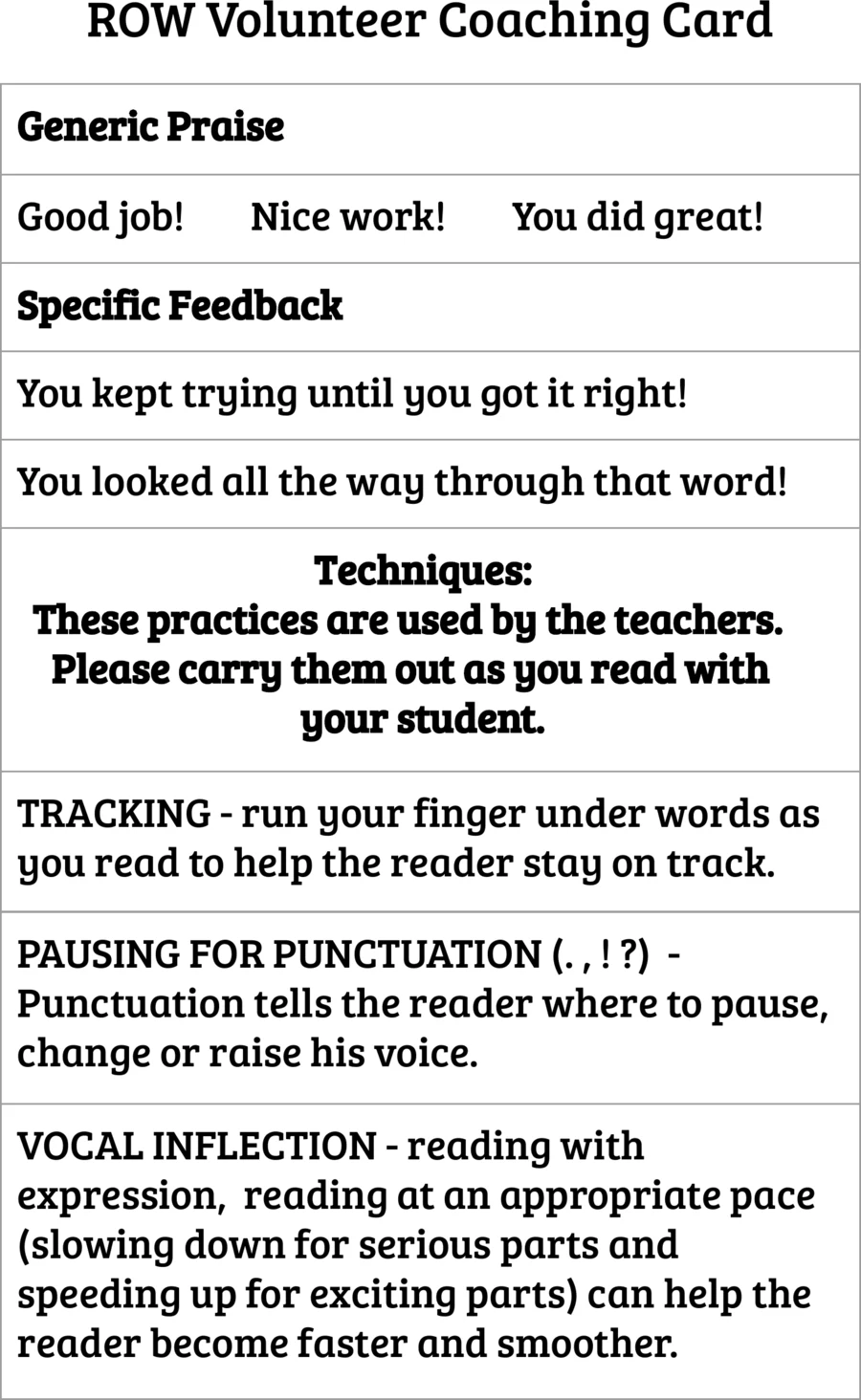
Accessible text version
Front
Generic praise: Good job! Nice work! You did great!
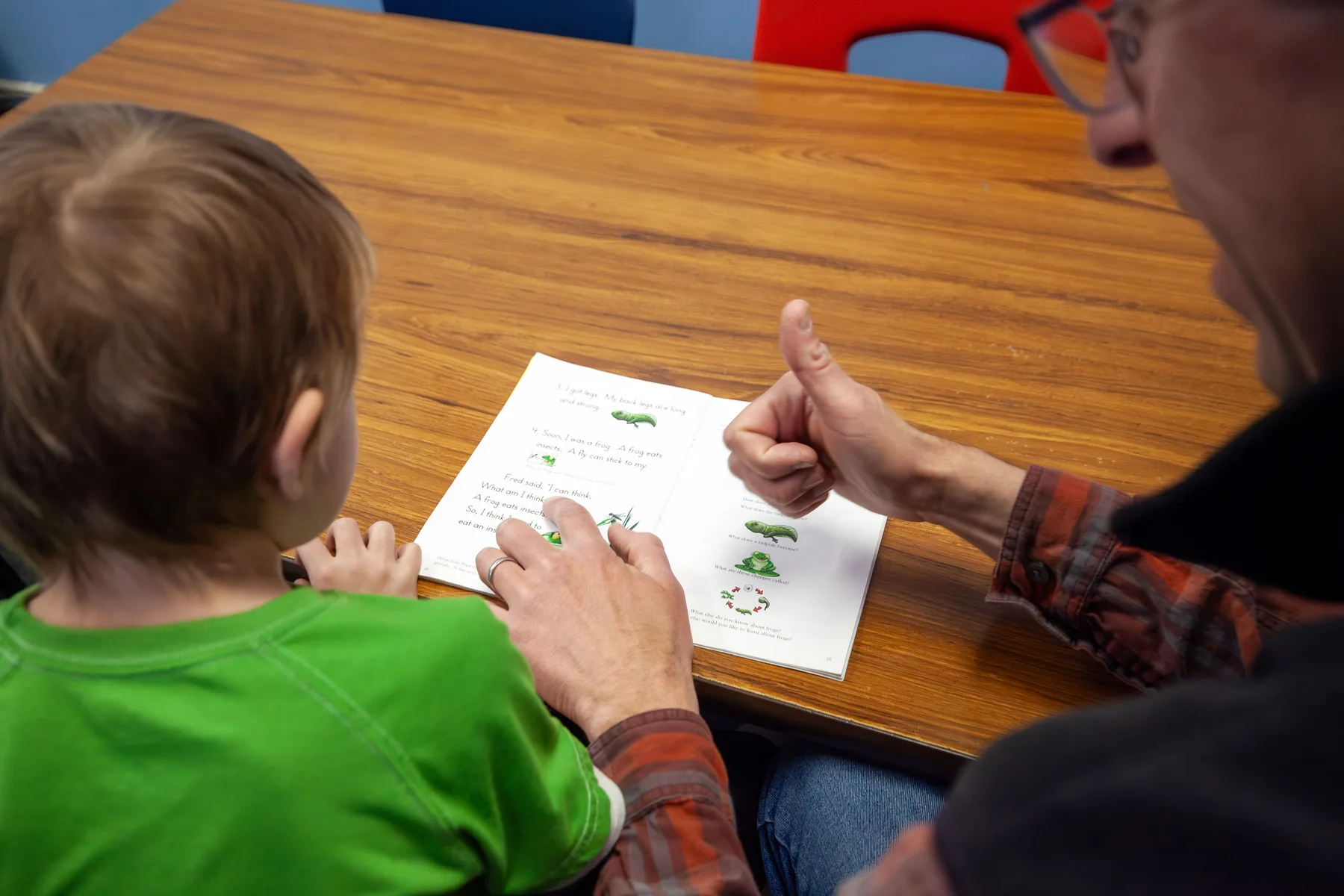
Specific feedback: You kept trying until you got it right! You looked all the way through that word!
Techniques: Tracking, pausing for punctuation, and vocal inflection.
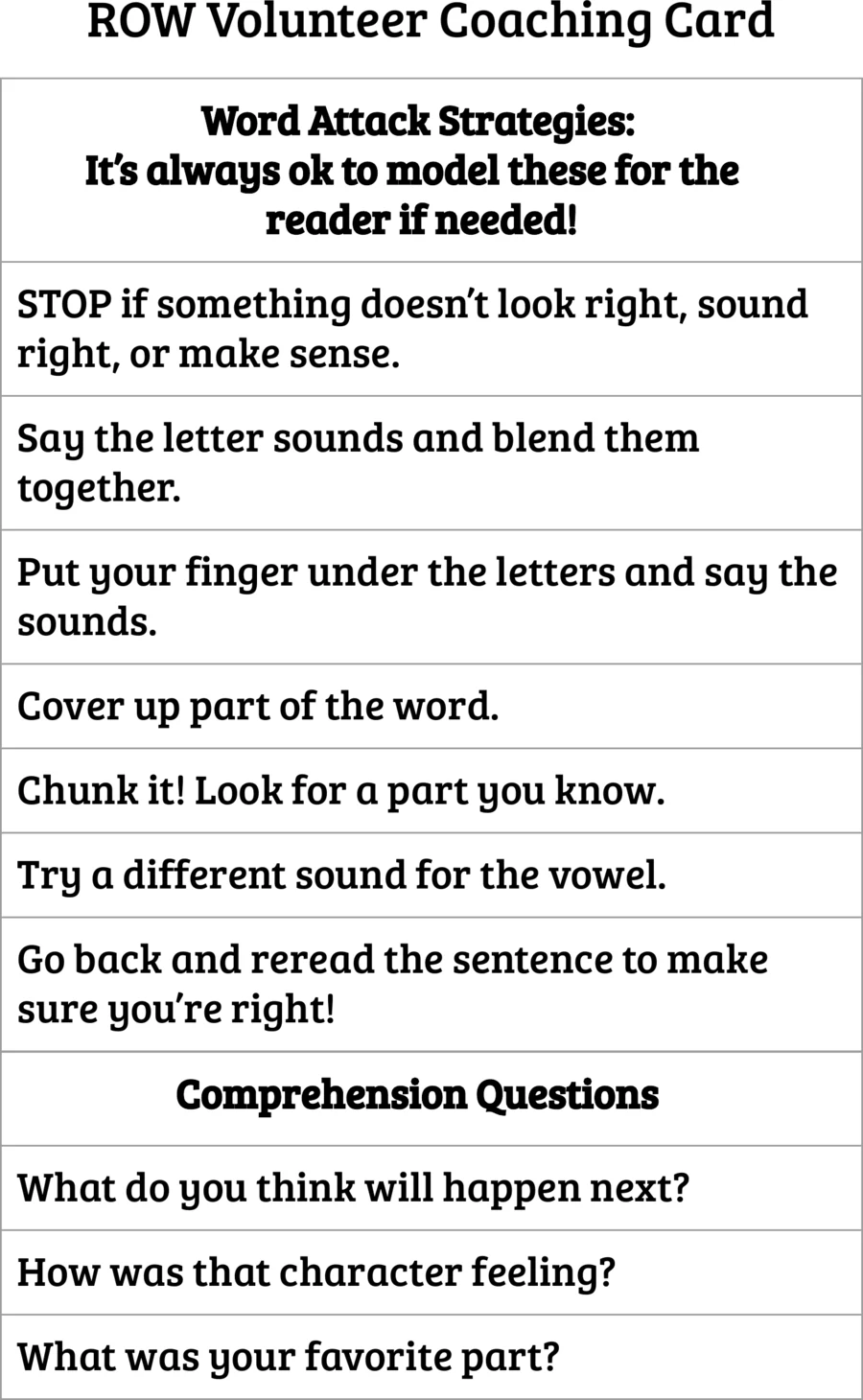
Back
Word attack strategies: Say and blend letter sounds, cover part of the word, chunk familiar parts, try another vowel sound, then reread the sentence.
Comprehension questions: What might happen next? How was the character feeling? What was your favorite part?
02 / Read-alouds
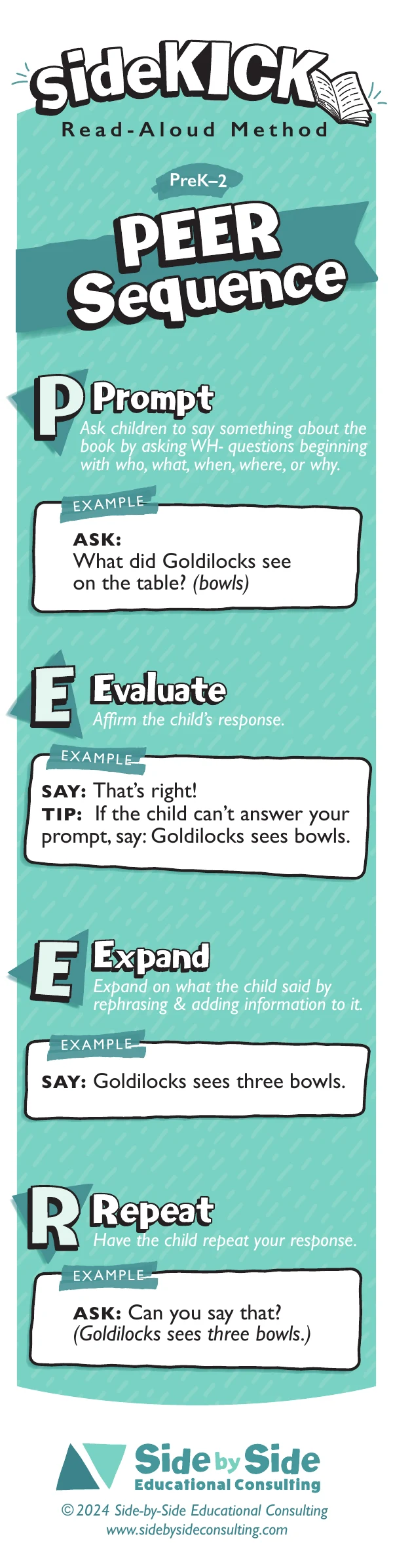
PEER Sequence Bookmark
A compact front-and-back prompt guide for playful, interactive read-alouds.
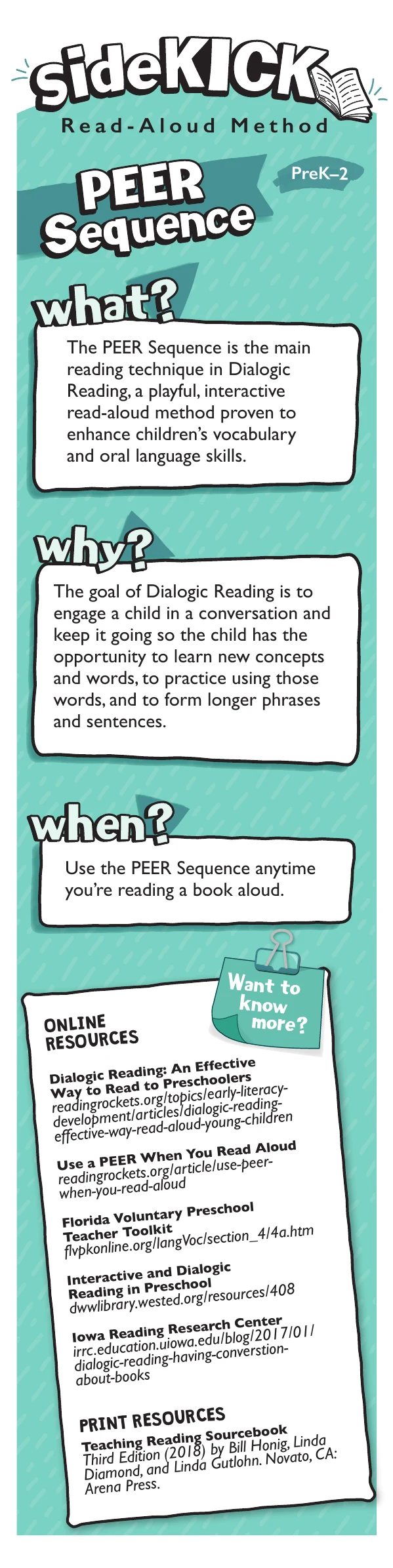
Accessible text version
PEER sequence
Prompt: Ask a question. Evaluate: Affirm the response. Expand: Add useful information. Repeat: Invite the child to say the expanded response.
What, why, and when
Use the PEER Sequence anytime you read aloud to turn the book into a conversation that builds vocabulary, oral language, and longer sentences.
Practice library
Watch the strategies in action.
Every lesson opens in a focused video window and starts from the beginning each time.
Featured demonstration
Your Pile, My Pile: Letter Recognition Practice
Sort known and unknown letter cards, then practice the letters a student needs most.
Go Fish
Kid Friendly Definitions
Looping Under CVC Words
Memory Game
Tap Tap Track it Back
Writing Spelling Games
Keep learning
Techniques to use while you read together.
Build connection, vocabulary, fluency, comprehension, and confidence through practical modeling.
28 minute training
Interactive Read-Alouds
A practical guide to building oral language through an interactive read-aloud.
The 4:1 ratio
Develop relationships and trust by noticing and naming the positives.
Parallel talk
Build vocabulary and encourage students to speak in complete sentences.
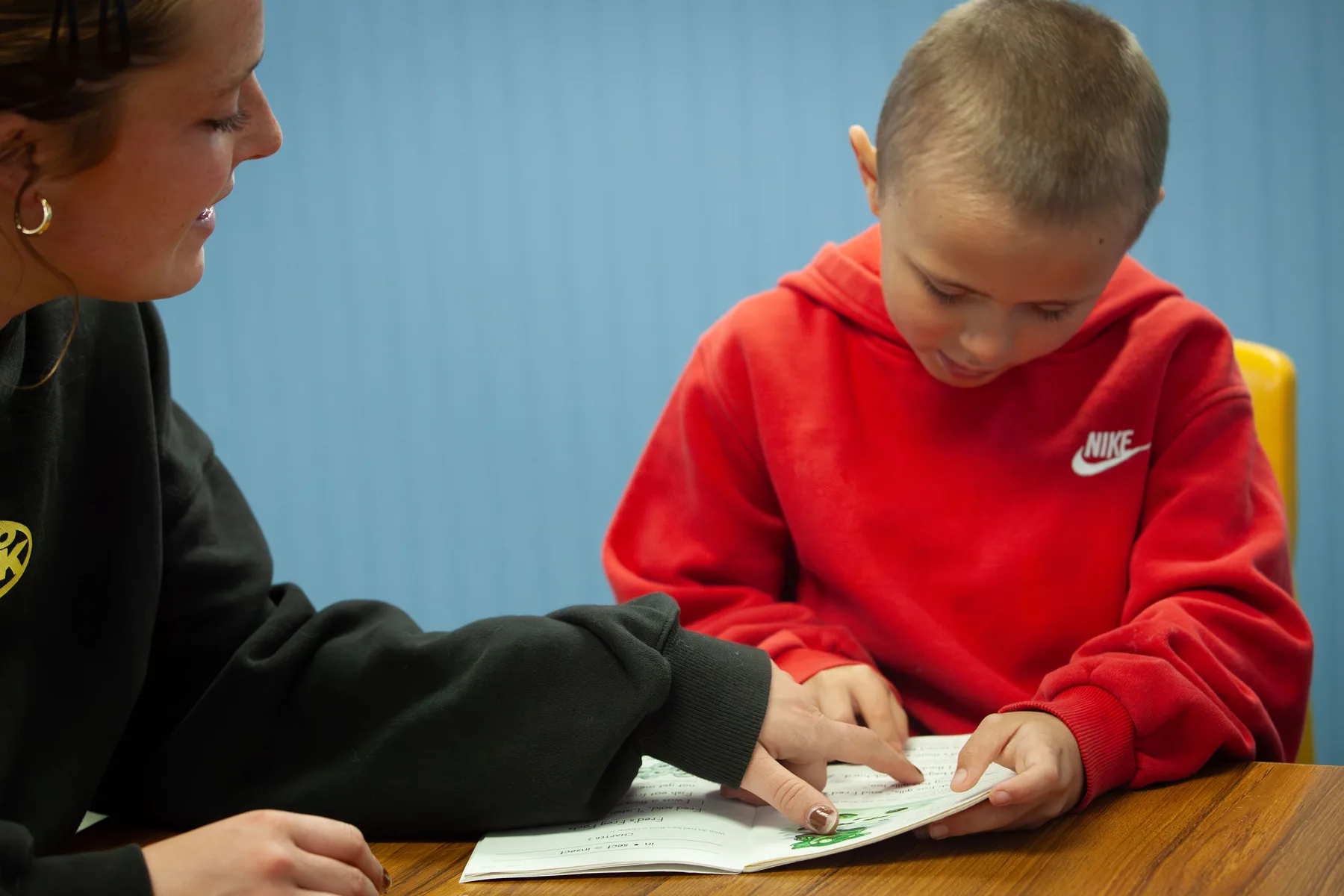
Partner reading
Coach students through tricky words and reinforce reading accuracy.
Paragraph Shrinking
Help students find the main idea of a text.
Building Automaticity
Use focus boards to practice rapid recognition. Start with the first three minutes.
Focus board directions
NOTE:
- There are multiple tabs on the spreadsheet.
- When using this document, please make a copy to use with your student.
Directions: Enter a list of six words, letters, sounds, or Final Stable Syllables, and generate 5 Rapid Recognition charts to use with your students. To use the Rapid Recognition Chart as an assessment, time the number of student readings of the chart within one minute.
FOCUS BOARD LINK [excel file]
FOCUS BOARD LINK [Google doc]
Echo and Phrase Reading
Help readers who benefit from hearing fluent, expressive modeling.
The bigger picture
Connection is part of learning.
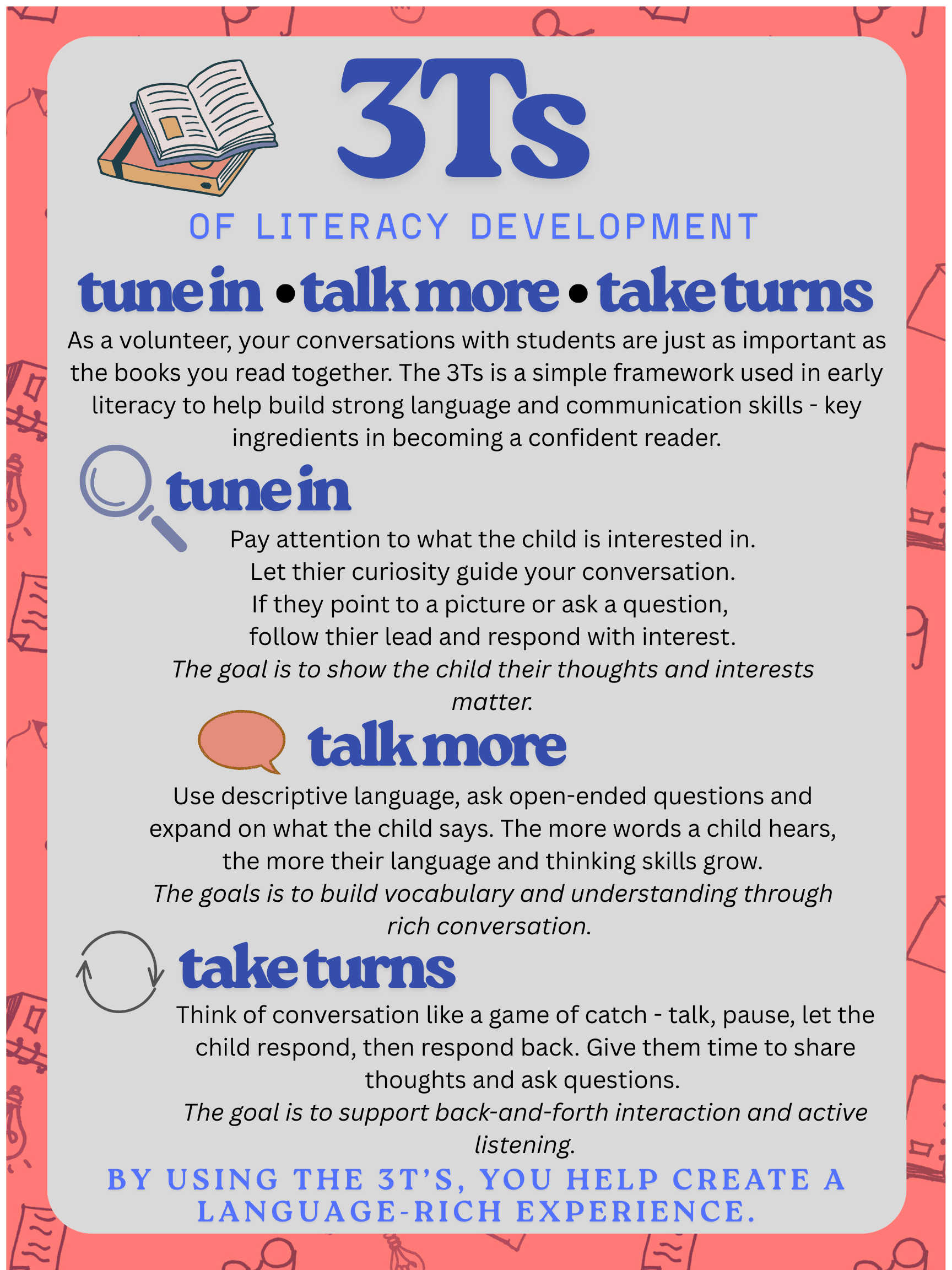
Close with one powerful talk and a simple reminder: tune in, talk more, and take turns.
Big-picture learning
Ted Talk - How every child can thrive by five
Molly Wright explains five simple ways adults can help every child thrive.
Keep the rhythm
3 T's of Literacy Development
Three memorable practices to bring into every conversation with a young reader.